
Don’t Let Lawyers Ruin Your Soccer Themed Marketing this June!
From June 11 to July 19, 2026, international football’s biggest event plays out across North America, including right here on Canadian soil in Toronto, Vancouver, and Edmonton. And while Peterborough, the Kawarthas, and Northumberland aren’t host cities, every sports bar, pub, restaurant, and community hall in the region is going to feel the pull of one of the largest sporting spectacles on the planet.
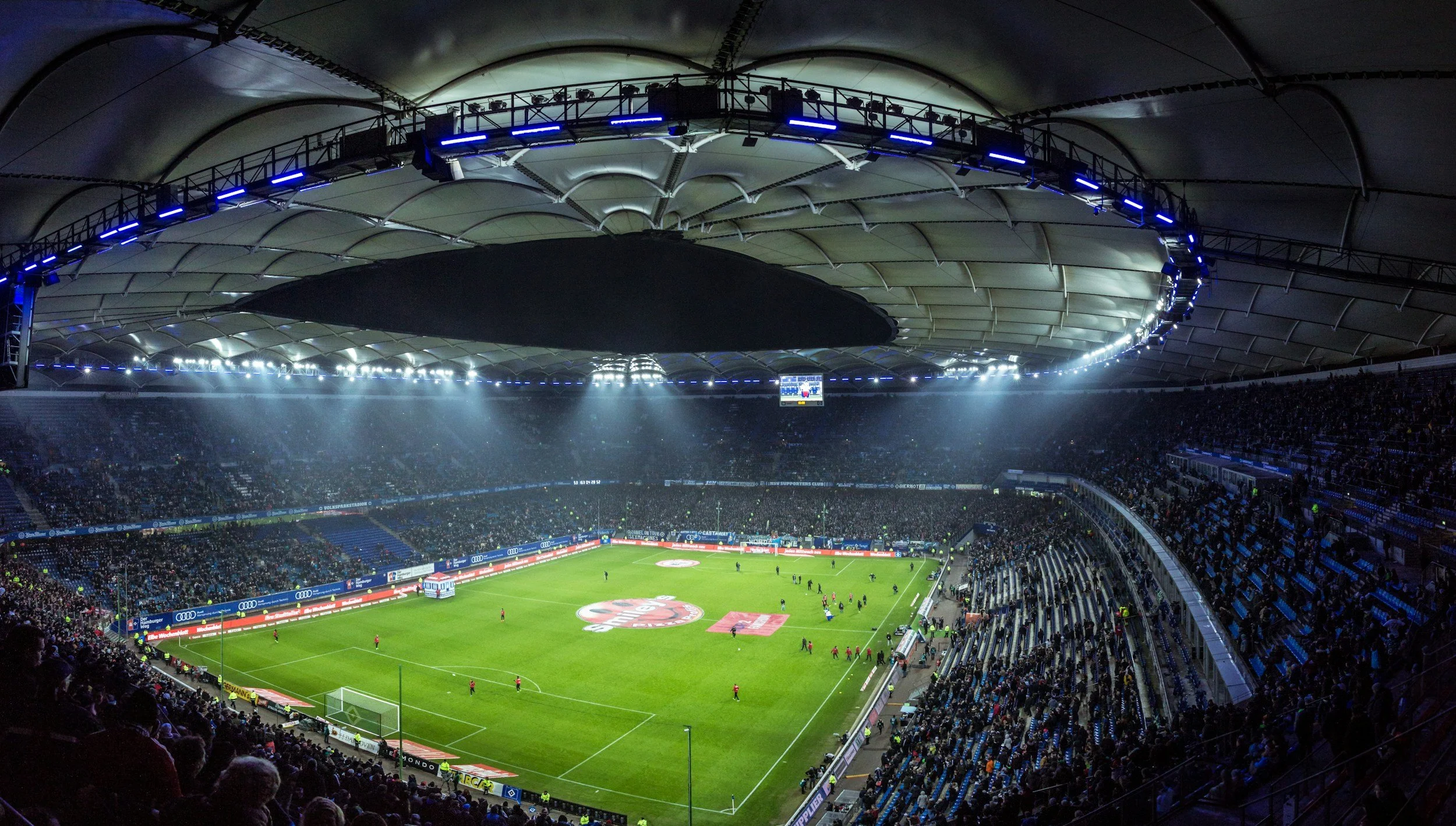
That’s a real opportunity. Packed houses. Themed menus. Extended patio hours. Community energy that money can’t buy. But here’s what most local businesses don’t realize until it’s too late: the governing body behind international football is one of the most aggressive intellectual property enforcers in professional sports. And “we’re just a small bar in Peterborough” is not a defence they’re known to find compelling.
Before you design that sidewalk chalkboard sign or put together your social media campaign, here’s what you need to know!
The Trademark Landscape Is Broader Than Most People Expect.
Most business owners are aware that official logos, trophy imagery, and tournament slogans are protected. What’s less commonly known is that the trademark portfolio extends considerably further. Even the phrases “World Cup” and “World Cup 2026” are registered trademarks, protected in Canada and globally for commercial use. This means promotional materials; a flyer, a social media post, a piece of branded merchandise; that use these terms in a commercial context can potentially attract enforcement action, regardless of whether the intent was to imply any official affiliation.
Celebrate the Sport. Celebrate the Nations.
Only official partners, sponsors, licensees, and designated host city supporters are permitted to use protected marks for commercial purposes. For everyone else, the guiding principle is straightforward: celebrate the sport and the participating countries, without using protected tournament branding.
This still leaves a great deal of room for creative, engaging promotion.
What You Can Do:
Decorate with general football imagery. Soccer balls, nets, scarves, and national flags of participating countries are all fair game. Create a welcoming, festive atmosphere without relying on official tournament branding.
Host country-themed events. Cultural food nights, music events, and themed menus inspired by participating nations are a wonderful way to build community and draw guests. This kind of hospitality is something the Kawarthas region does exceptionally well.
Screen the matches as part of your regular operations. Showing the games on your existing screens is covered under your broadcast licensing and doesn’t require any special authorization.
Sell general football or national flag merchandise. Merchandise featuring generic football imagery or national flags, rather than official tournament marks, is generally permissible. National flags and colours are not protected tournament property.
Use descriptive language in your promotions. Communicating clearly about what you’re offering, match times, specials, themed events, is straightforward and safe. Focus on the experience rather than the official branding.
What to Avoid
Official logos, word marks, slogans, mascots, and the trophy image should not appear in your commercial materials, including signage, advertising, social media, and merchandise, without proper authorization.
Protected tournament names in promotional contexts. Given how broad the trademark protections are, we recommend describing the event in general terms — “the tournament,” “this summer’s international football,” “the 2026 men’s football tournament” — rather than using the trademarked phrases in your marketing materials.
Language that implies official status. Framing your event as an “Official Viewing Party” or using similar language that suggests an endorsement or partnership you don’t have can create legal risk. A watch party or viewing event is a perfectly effective description.
Merchandise featuring protected tournament branding. Custom T-shirts, glassware, or promotional items using official marks require a licence. Without one, these items can be subject to seizure.
Player likenesses or national team crests used in a commercial context. Decorative football art is different from using a recognizable player’s image or a national team’s official crest alongside your business’s branding in promotional materials.
A Note on Social Media…
Promotional social media posts are subject to the same considerations as any other marketing material. Using protected terms as hashtags in a commercial context, or tagging official tournament accounts in promotional content, can draw attention from enforcement teams. Keeping your social content focused on the experience you’re offering, rather than the official tournament brand, is the safest and often most effective approach anyway.
Thoughtful Participation.
The 2026 tournament is a meaningful opportunity for businesses across our region. Peterborough, the Kawarthas, and Northumberland have exactly the kind of welcoming, community-oriented hospitality that makes these moments special, the lakeside patios, the local breweries, the gathering places that have served their communities for generations.
Understanding the intellectual property landscape isn’t about limiting what you can do. It’s about making sure the energy and investment you put into this summer works for you, without unexpected complications.
If you’d like support creating marketing materials for this summer’s tournament that are effective, on-brand, and mindful of these considerations, Loon in the Mist Creative would be glad to help. You can also find more guidance in the Toronto’s Community Activation Toolkit for the tournament.
Please note: Loon in the Mist Creative is a design and communications studio, not a legal practice. Nothing in this article constitutes legal advice. If you have specific concerns about your marketing materials, we encourage you to consult a lawyer familiar with Canadian intellectual property law.